
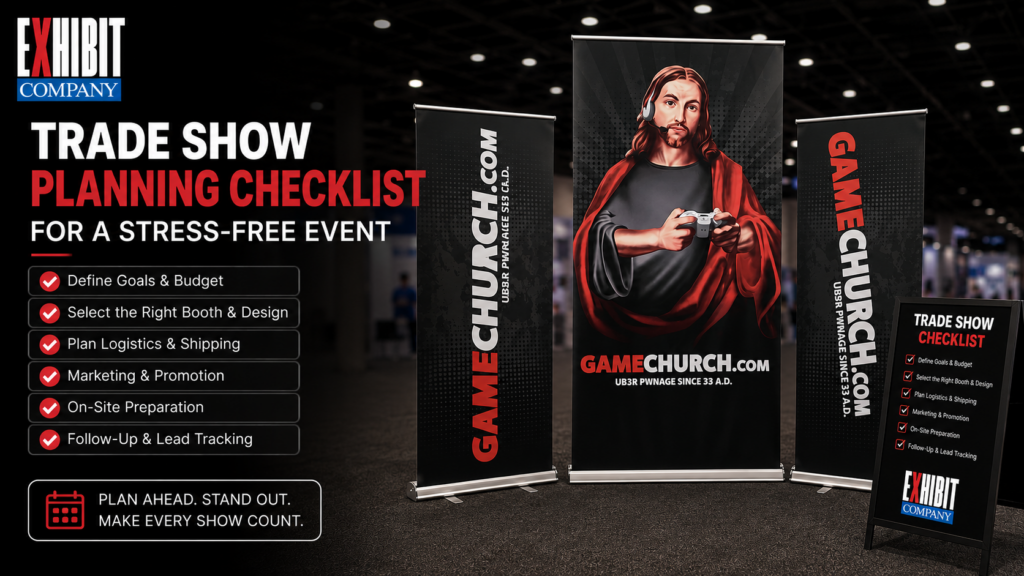
Summary: A successful trade show starts long before event day. Careful planning, smart budgeting, and clear goals create a smooth experience while improving visitor engagement. From booth preparation to logistics, every detail matters. Integrating trade show banners into your display strategy and collaborating with an experiential marketing agency for creative engagement ideas helps your brand leave a lasting impression and supports stronger event results.
Every trade show presents an opportunity to strengthen relationships, generate qualified leads, and increase brand awareness. Success rarely depends on luck. It grows from organized planning, timely preparation, and attention to detail. A structured checklist keeps every stage of the event under control while reducing last-minute surprises. Whether your business participates in several exhibitions every year or prepares for its first event, following a proven planning process improves efficiency, protects your investment, and creates a better experience for both your team and your visitors.
Define Clear Goals Before Planning Begins
All effective exhibits have a measurable goal and targets. All your booths, the number of people in the staff, promotional materials, and marketing strategies are based on your goals.
Ask questions such as:
- Do you want more qualified leads?
- Are you introducing a new product?
- Is brand awareness your primary objective?
- Do you want to strengthen relationships with existing customers?
Defining goals assists your team approach to activities that produce significant business outcomes rather than just packing business cards.
Choose the Right Trade Show
Each event is geared toward a distinct crowd. Analyze the details of each of the exhibitions thoroughly before committing.
Evaluate:
- Visitor demographics.
- Industry relevance.
- Past attendance numbers.
- Competitor participation.
- Speaking opportunities.
- Sponsorship options.
Choosing a suitable event for your organization based on the objectives you have for the organization will ensure that the content of the conversation you have with attendees is of a valuable quality and will generate campaign returns.
Set a Realistic Budget
Having a detailed budget will make sure you don’t spend money on things that you don’t need and ensure your project stays on schedule.
Be sure to include costs like:
- Booth rental.
- Exhibit construction.
- Hotel accommodations.
- Marketing materials.
- Staff meals.
- Promotional giveaways.
Building a contingency fund also helps manage unexpected costs without disrupting your overall plan.
Design an Attractive Exhibit
Your exhibit becomes your brand’s embodiment at the event. All elements of the media should convey professionalism and uniformity.
A well-organized setup with professional, high-quality lighting; interactive displays to grab the attention of visitors; comfortable meeting spaces; and well-designed trade show banners draws visitors and motivates them to learn what you’re offering and start discussions.
Avoid clutter. Open layouts often create a more welcoming atmosphere while allowing visitors to move naturally through your exhibit.
Create a Marketing Timeline
Publicity should start many months in advance of the exhibition.
Develop a plan with the following elements:
- Email campaigns.
- Social media announcements.
- Customer invitations.
- Meeting scheduling.
- Press outreach.
- Product teasers.
Early communication increases booth traffic because attendees often build their schedules before arriving at the venue.
Prepare Marketing Materials
Useful information that can be read afterwards is valued by the visitors.
- Company brochures.
- Product catalogs.
- Business cards.
- Case studies.
- Digital presentations.
- QR codes for downloads.
- Lead capture forms.
Each marketing asset should be consistent in terms of brand, and it should clearly communicate your value proposition, what you do for your clients.
Train Your Booth Team
It is best to have knowledgeable staff supporting an impressive exhibit.
Your team should understand:
- Company messaging.
- Product knowledge.
- Lead qualification.
- Visitor engagement.
- Demonstration procedures.
- Follow-up expectations.
Preparing for conversations through role play helps build confidence and helps establish consistency across the board when it comes to customers.
Organize Logistics Early
Late delivery and loss of material cause undue stress.
Create a logistics checklist for:
- Shipping deadlines.
- Inventory verification.
- Installation schedules.
- Electrical requirements.
- Internet access.
- Furniture rentals.
- Storage arrangements.
- Emergency contacts.
Effectively managing engagement strategies, often even before an event takes place, with an experienced experiential marketing agency makes coordination much easier.
Develop a Lead Collection Strategy
Late shipments and missing materials create unnecessary stress.
Prepare a logistics checklist covering:
- Visitor interests.
- Purchase timeline.
- Product preferences.
- Follow-up priority.
- Meeting notes.
Detailed information enables your sales team to avoid generic follow-up emails while being able to personalize their conversations in the future.
Prepare for On-Site Operations
Event days move quickly. Preparation reduces pressure and improves productivity.
Make a checklist that lists the following every day:
- Booth cleaning.
- Technology testing.
- Product demonstrations.
- Staff schedules.
- Visitor appointments.
- Inventory checks.
- Refreshment supplies.
Clearly, you’re doing your team’s daily preparations so that they do not lose any focus during the entire contraction.
Plan Visitor Engagement Activities
Interactive experiences will increase the amount of time spent in your booth.
Some popular engagement themes are
- Live demonstrations.
- Product testing.
- Interactive displays.
- Educational presentations.
- Expert consultations.
- Photo opportunities.
Interactive displays can lead to better engagement than passive ones, meaning better conversations.
Schedule Post-Event Follow-Up Before the Show Begins
Follow-up should begin shortly after the event concludes.
Prepare:
- Email templates.
- Sales assignments.
- CRM updates.
- Thank-you messages.
- Meeting invitations.
By communicating timely, you can keep your company fresh in the eyes of each prospect, as well as boost conversion opportunities.
Measure Performance After the Event
All exhibits offer learning opportunities.
Look at data, including
- Total booth visitors.
- Qualified leads.
- Sales opportunities.
- Scheduled meetings.
- Social media engagement.
- Marketing reach.
- Revenue generated.
Review and analyze the outcomes against the original exhibitions’ goals to show how to improve for future exhibitions.
Conclusion
A detailed planning checklist transforms a complex exhibition into a manageable project. Organized preparation reduces stress, improves visitor engagement, and helps every member of your team perform with confidence. Whether you participate in regional expos or national industry events, thoughtful planning delivers measurable results. Investing in quality displays, professional planning, and effective trade show banners creates a stronger presence that supports lasting business relationships.
Partner with The Exhibit Company to simplify every stage of your next trade show and create an exhibit experience that delivers meaningful results.
Frequently Asked Questions
- Why is a trade show planning checklist important?
The use of checklists helps maintain an organized list of all tasks, prevents omitting important details, and helps a lot in planning the event from start to finish.
- How early should trade show planning begin?
The key point is that most exhibitors find it helpful to start preparing approximately 3-6 months before the event, depending upon their booth size, project complexity, and more.
- What makes a trade show booth more attractive?
A well-designed brand presence, high-quality lighting, open, stimulating spaces, informative exhibits, and friendly staff help to get people to interact more with the brand.
- What should every exhibitor include in a trade show budget?
Add in booth building, booth hire, shipping, travel, accommodation, marketing materials, staffing, installation of exhibits, and contingency costs.
- How soon should exhibitors follow up with leads after the event?
Follow-up within a few days keeps conversations fresh and improves the likelihood of converting prospects into customers.